


Eye Stye: Causes, Types, Symptoms, and Effective Treatment


It is a scary experience to see a painful bump on the eyelid, particularly when it appears suddenly. This swelling is, in the majority of cases, an eye stye.
What is a Stye?
A stye is a painful, red bump on the eyelid caused by a bacterial infection of oil glands.
These glands include:
Zeis glands: Oil glands that connect with the follicles of the eyelashes
Moll glands: These are sweat glands at the lashes
On the eyelids, there are meibomian glands, which are the primary oil glands
The bacteria, predominantly Staphylococcus aureus, enter the body and block the oils secreted to stabilize the tear film. This is the primary cause of the infection.
As a result of this infection, the body reacts through an inflammatory response. It can occur in both adults and children. Early care helps reduce discomfort and prevents complications. .
Difference between Chalazion and Stye

Stye and chalazion are two different conditions, but a lot of patients make the mistake of confusing them.
A stye is an active bacterial infection that is painful and causes swelling.
When the meibomian gland gets clogged, a chalazion is formed. It does not involve infection.
With time, trapped oil triggers an inflammatory reaction. This creates a firm, painless lump inside the eyelid.
At Refine Dry Eye Center, styes are accurately diagnosed by experienced eye care professionals.
We use modern, targeted treatments to ensure quick relief and effective healing. Our approach also focuses on preventing complications and promoting long-term eye health.
Signs and Symptoms of a Stye
The common stye symptoms include:
Swelling of the eyelid margin
When the eyelid is pressed, an individual feels pain or tenderness
Redness around the infected gland
A small pus-filled swelling near the eyelashes
Increased tearing
Sensitivity to light
At times, the eyelid could be very swollen, and one cannot blink easily.
Why Do Styes Develop? (Underlying Causes)
There are several factors causing a stye. Some of these are:
Poor eyelid hygiene
Washing the eyes with contaminated hands
Using old and deteriorated eye makeup
Chronic blepharitis
Dysfunction of meibomian glands
Rosacea
Wearing contact lenses without washing them
It is important to treat the underlying cause of styes because it will also prevent future stye.
Diagnosis of Stye
An eye specialist, including an optometrist, should perform a proper diagnosis of a stye. The eye doctor will check the eyelid and enquire about the remaining symptoms.
The doctor will:
Examine eyelid gland inflammation and gland openings
Determine the risk of infection or abscess
Determine whether the bump is a stye or a chalazion
Additional information may be required to eliminate other eyelid disorders. In situations where a lesion fails to heal or recurs at the same site, further investigation may be needed.
Treatment Options for Eye Stye
Proper care and early intervention can resolve symptoms quickly and prevent complications.
A. Non-Surgical Advanced Therapies:
There are non-surgical and non-invasive treatments of styes are available. They help in resolving styes more quickly.
They are:
They assist in reducing inflammation, improve the function of oil glands in eyelids, and accelerate the healing process.
B. Home Remedies for Styes:
1. Warm Compress:
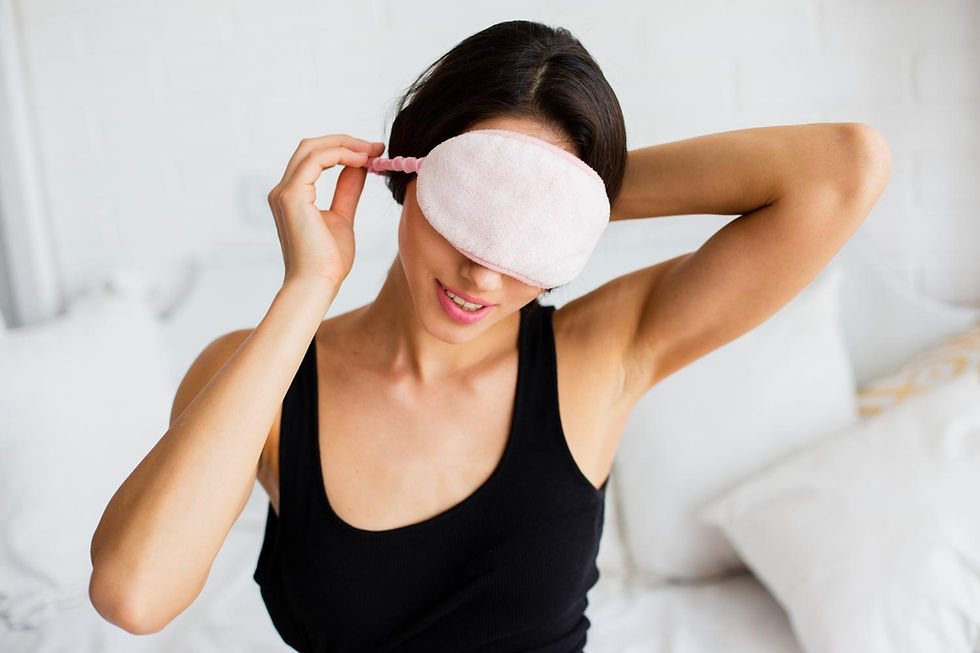
Apply a moist, warm cloth on the closed eyelid and keep it there for a minimum of 10 minutes. This should be repeated 3–4 times every day. This will melt the plugged oil and assist in drainage of the pus.
Warm compresses provide temporary relief but do not address the underlying cause of a stye, so early intervention is recommended for effective treatment and prevention.
2. Eyelid Hygiene:
Wipe the affected eyelid softly using a mild soap. In most cases, baby shampoo can be applied, as it is tear-free and gentle.
3. Avoid Irritants:
It is not recommended to use contact lenses or eye makeup until full healing of the stye.
4. Gentle Massage:

Gentle massage of the eyelid is also useful to stimulate the drainage of pus from stye. If the massage is painful, stop immediately.
5. Pain Killers:
Pain and swelling can be decreased with the help of painkillers such as acetaminophen and ibuprofen.
6. Do Not Pop:
Do not squeeze or make an effort to pop the stye. This may push the infection into deeper tissues.
C. Medical Interventions
When the stye is not going to get better, medical treatment should be provided by professionals.
Antibiotic ointments or eye drops (Erythromycin, bacitracin) are normally used to treat the infection
In cases of recurrent or chronic styes that have already progressed into chalazion, corticosteroid injection should be used to reduce inflammation
D. Surgical Interventions:
Surgical drainage or steroid injection is only considered when conservative and non-invasive treatments fail.
Incision and Drainage:
This is a minor surgery, usually considered as last option to lance the stye and drain out the pus.
Removal of Eyelash:
In case the stye is localized around a particular hair follicle, the eyelash can be removed to allow better drainage.
How to Prevent Future Styes
Preventive care is the most effective way of preventing recurrence. This includes
Cleanse hands before touching the eyes
Removing makeup every night
Cleaning of the contact lenses
Maintaining eyelid hygiene
The frequent washing of the eyelids can benefit those who are more at risk of recurrent styes.
When to See a Specialist
Home care is useful in the initial phases, but immediate assessment by an eye expert is highly advisable.
Early intervention allows:
Removal of the stye quicker.
Diagnosis of underlying cause (e.g. gland dysfunction or blepharitis)
Access to non-invasive therapies such as IPL or LLLT to speed up the healing process.
To prevent recurring styes and chronic eyelid problems it is important to treat the underlying cause at an early stage.
If you have a painful or persistent bump on the eyelid, book an appointment at Refine Dry Eye Center.
We properly examine the eyelid glands, determine the source of the infection, and provide specific treatment to reduce swelling, minimize pain, and restore normal eyelid functions.
FAQs
Are styes contagious?
Styes are not highly contagious, although they are caused by bacteria. Do not share towels or make-up in case of infection.
Is a stye dangerous?
Most styes are painless and heal after one to two weeks. However, in case of severe and persistent swelling, consult an eye specialist.
Can you pop a stye?
No. It will even add more infection and inflammatory reaction. Allow it to drain naturally.
Can contact lenses be used with a stye?
Contact lenses should not be used until the stye has healed. They may increase irritation and add more bacteria.
Why is my eyelid swollen?
The swelling of the eyelids could be caused by a stye, chalazion, allergy, infection, or inflammation. A complete eye check-up is needed for confirmation.
Can stress cause a stye?
Styes are not the direct result of stress, but there may be a possibility that it causes a weakened immune system and makes a person prone to infections.


