


When a Chalazion Doesn’t Go Away: Advanced Eyelid Care Solutions

A chalazion normally begins as a small mass on the eyelid. There are tiny glands on the eyelid that produce oily substances and keep the eyes moist. When there is blockage of these oily glands, it may develop into a chalazion.
Usually, a chalazion appears on the underside of the upper eyelid. But it may occasionally form on the lower eyelid. A chalazion can develop in both adults and children equally.
A chalazion may cause pain at first, but it may fade away quickly with early diagnosis and treatment.
If you are suffering from a chalazion that is irritating and not going away, it’s important to seek professional care.
Visit Refine Dry Eye Center, where proper diagnosis is carried out to identify the root cause of the condition. We provide effective, targeted treatment to help relieve symptoms and promote faster healing.

What Exactly Is a Chalazion?
A chalazion is a local eyelid inflammatory disease that is caused by the obstruction of a meibomian gland. It is normally not an active infection, as is the case with a stye.
Rather, the gland gets blocked with greasy oil. The entrapped oil spills into adjacent tissue, causing an inflammatory reaction of a granulomatous nature.
This reaction leads to:
Swelling within the eyelid
Firm lump beneath the skin
Mild redness
Pressure or heaviness in the eyelid
Why Some Chalazion Persist?
A chalazion may fail to resolve on its own due to a number of conditions.
Common causes include:
Chronic meibomian gland dysfunction
Skin conditions such as rosacea
Poor eyelid hygiene
Frequent eye rubbing
Blocking or obstructing the gland leads to the retention of oil and the formation of a thick and hard wall of cysts or granuloma.
This response of the body’s immune system makes it a solid lump that is hard to treat. When not treated early, then late stage solution would be to drain it under the guidance of an eye specialist.
Risk Factors for Chalazion
A chalazion usually appears due to the obstruction or swelling of the oil-producing glands in the eyelids. There are a number of underlying conditions that may enhance the chances of this blockage and cause the development of a chalazion.
Causes of Chalazion
Blocked meibomian gland:
The blockage of a meibomian gland that secretes oil is the most frequent cause of a chalazion. These oil glands are important for the maintenance of the tear film. When this gland is obstructed, the oil becomes lodged, thus causing inflammation, which develops into a lump in the eyelid.
Rosacea:

Rosacea is a long-term illness of the skin, also including the eyes, referred to as ocular rosacea. It interrupts the regular working of the meibomian glands, and this leads to clogging of glands and chalazion.
Seborrheic dermatitis:

Seborrheic dermatitis is an inflammatory skin condition. It may cause irritation and dysfunction of oil glands.
The glands can therefore be blocked, and this leads to the formation of a chalazion.
Blepharitis:
Blepharitis is a typical eyelid disorder which causes eyelid margin inflammation. There are more chances of developing a chalazion when there is inflammation, overpopulation of bacteria and mites. Apart from the chalazion, there are also chances of other complications like styes or chronic conjunctivitis.
Diagnosis of Chalazion:
Chalazion is diagnosed by an eye doctor like an optometrist or ophthalmologist. The diagnosis procedure of chalazion usually includes:
Health history: A complete health history will help to find underlying causes that can contribute to the formation of a chalazion.
External eye examination: A complete external eye examination includes the eyes, eyelids, eyelashes, and texture of the skin.
Complete eyelid examination: This is done with the help of bright light. Magnification is also used to look at the bases of eyelashes. Oil glands are also checked for openings on the underside of eyelids.
Treatment of Persistent Chalazion
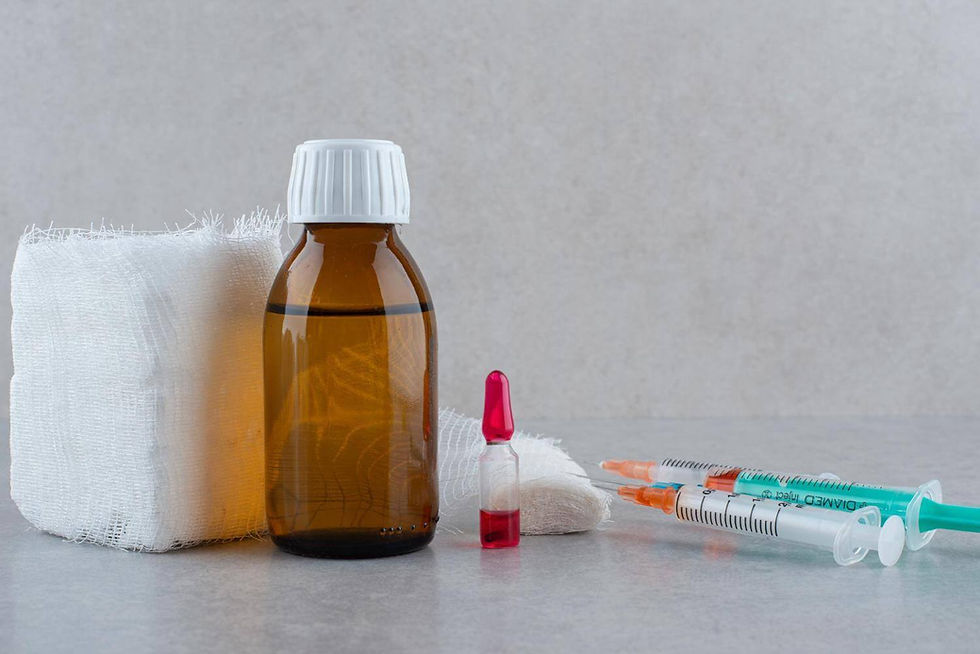
Timely intervention of chalazion increases the chances of successful treatment. It also prevents chronic or recurrent chalazion.
At Refine Dry Eye Center, customized treatment plans are recommended to decrease inflammation and restore the oil glands function.
1. Antibiotic Therapy
Chalazia are normally not infectious, but in situations where bacteria are involved, antibiotics may be administered.
Antibiotic ointments help:
Reduce bacterial colonization in the eyelid margin
Control blepharitis
Prevent secondary infection
In severe dysfunction of meibomian glands or rosacea, oral antibiotic treatment may be recommended.
2. Corticosteroid Treatment
Inflammation within the lesion can be minimized by steroid injections or by using a topical corticosteroid.
These medications work by:
Immunosuppression
Reducing granulomatous inflammation
Small to medium lesions can be treated with intralesional steroid injections.
Non-Surgical Therapy of Chalazion
There are several advanced non-surgical and non-invasive methods for treatments of chalazia.
1. Intense Pulsed Light (IPL)
The IPL therapy is normally used when the meibomian glands are dysfunctional.
The treatment:
Decreases inflammation of the eyelids
Improves gland secretion
Removes diseased blood vessels that reduce inflammation
IPL therapy improves the functionality of glands and suppresses recurring chalazia.
2. Photobiomodulation Therapy
Photobiomodulation involves low-level light energy in order to stimulate the healing of tissues of the eyelids.
This therapy:
Enhances cellular repair
Reduces inflammation
Improves oil gland activity
When Should Surgical Removal Be Considered (Last Resort)?
Surgery may be suggested in cases where the chalazion:
Persists for several months
Continues to enlarge
Causes visual distortion
Unresponsive to conservative therapies
Chalazion Surgical Procedure
Chalazion surgery is a minor operation which is done under local anesthesia.
Local anesthesia is applied to the eyelid. This is done through a small incision in the eyelid and removing the contents to clear the duct of the gland.
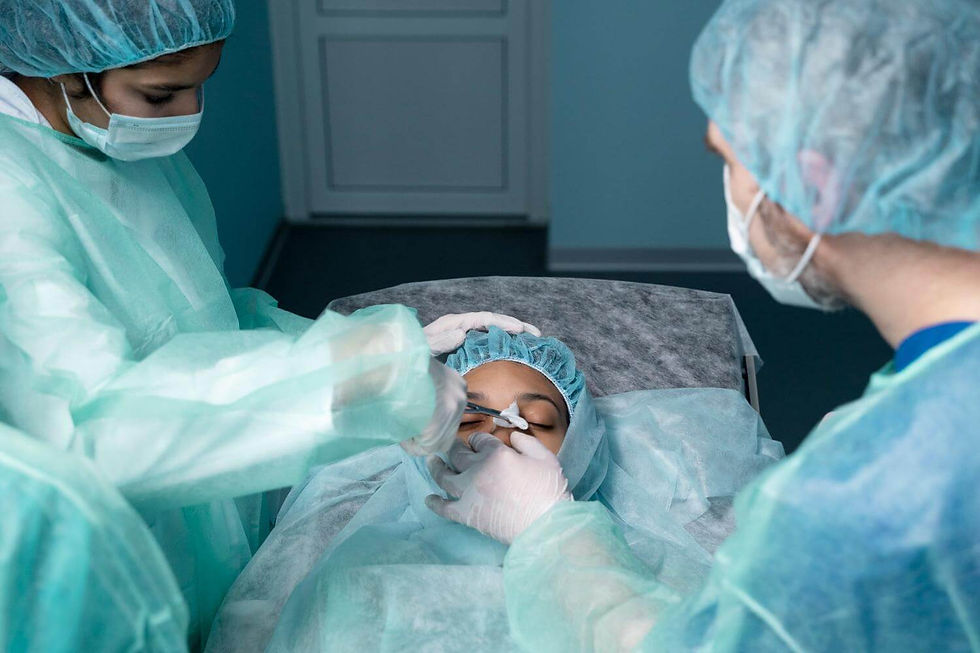
This process normally lasts between 15–20 minutes. When the oil gland is cleared, inflammation gradually resolves.
The majority of patients recover quickly following surgical drainage.
Natural Remedies of Persistent Chalazion
Some of these are helpful natural remedies that can be used to reduce symptoms and aid in drainage.
Warm Compress Therapy
Heat liquefies thickened oils that block the gland. Use a warm compression for a minimum of 10 minutes. Repeat the same process 3–4 times per day
Gentle Eyelid Massage
Drainage of the glands can be promoted by massage. This technique involves gentle pressing of the eyelid. Massage should be done with clean fingers.
Eyelid massage assists in the expression of trapped oil in the gland.
Prophylaxis of Chalazion Recurrence
Chalazion can be prevented through good hygiene of eyelids.
Cleaning of eyelids should be carried out on a daily basis to reduce bacteria, mites and debris. Apply cleansers on eyelids using mild and non-scented ones. Always wash makeup off before sleeping.
Nutrition and Immune Support
Nutrition and diet also affect the health of eyelashes. Certain nutrients aid in the regulation of the performance of the oil glands.
These include:
Omega-3 fatty acids
Vitamin A
Antioxidants

These nutrients help maintain tear film stability and reduce inflammation.
Chronic Chalazion Complications
A chalazion is normally harmless; however, long-term lesions can lead to complications.
These include:
Persistent eyelid swelling
Astigmatism due to pressure on the cornea
Secondary infection
Chronic dry eyes
Regular lumps must not be ignored and they should be checked by an eye specialist.
When You Need Medical Assistance?
You would need medical attention when:
The chalazion is still not healed in some weeks
There is unbearable pain
Vision becomes blurred
Rapid growth of the lump
Early care will result in faster recovery and complications prevention.
Identification of the Right Specialist
The most qualified expert to handle persistent chalazia is an optometrist who is specialized in eyelid diseases.
These experts can detect underlying gland dysfunction and provide targeted treatments.
Advanced Chalazion Care at Refine Dry Eye Center
Chalazion is well diagnosed and managed at Refine Dry Eye Center in Sunnyvale by Dr. Lam, with over 15 years of experience in treating dry eye diseases.
Patients are offered customized treatment plans with advanced diagnostic instruments and up-to-date treatment options, which ultimately decrease inflammation, foster recovery, and prevent lumps from developing again in the eyelids.
FAQs
Is chalazion painful?
A majority of chalazia are asymptomatic, and larger ones can result in pressure and mild pain.
Can stress cause a chalazion?
Stress is not the direct cause of chalazia, but it can undermine the immune system and deteriorate inflammatory processes.
Does makeup exacerbate a chalazion?
Yes. Eye makeup has the ability to cover eyelid openings and aggravate inflammation.
What is the duration of a chalazion?
Small chalazia may resolve within 2–4 weeks. Chronic lesions can last for several months without treatment.


