


Understanding Eyelid Disorders: Causes, Symptoms, Diagnosis, and Treatment


Most people do not care about eyelid problems, unless there is something wrong. In actual life, eyelids are very special organs that move on their own at day and night to ensure safety and functionality of the eyes.
These are automatic wipers to keep the eyes clean and protected. In the absence of eyelids, your eyes would always be exposed to harmful elements of surroundings. This may result in pain, infections and even loss of vision in the long term.
Eyelids are not designed by chance; they are accurate and very efficient. Eyelids not only offer protection but also provide feeding.
How Eyelids Protect the Eyes: The Science of Blinking
Blinking may sound like a small activity, but it takes care of our eyes. The average human being will blink approximately 15 to 20 times a minute. In that, they blink thousands of times per day.
With every blink, a new film of tears is spread on the eye, and keeps eyes smooth and wet.
Blinking also serves the same purpose of cleaning your eyes, and this way retains your eyesight clear. By spending too much time before screens, people blink less, and it makes the eyes dry and uncomfortable.
Anatomy of the Eyelids
The eyelids are thin but made up of many layers. The outer layer is the skin which is one of the thinnest layers of the body.
Beneath it, there is a group of muscles and connective tissue which offers strength and flexibility to eyelids.
Orbicularis Oculi
The orbicularis oculi is an important muscle located in the eyelid. When one squints and tries to make the eyebrows come together, it is the muscle that does it. It is critical in the distribution of tears and guarding of the eye against external attacks.
Plate of the Tarsal and Conjunctiva
The tarsal plate is a rigid structure that is located within the eyelid. It gives the eyelid its form and constancy. The conjunctiva is the inside lining composed of a thin membrane that keeps the eye moist and resistant to infection.
Meibomian Glands and Their Function
The eyelids contain small oil secreting glands. These glands are present in dozens in each eyelid and are necessary in keeping the tear film steady. They produce oil that creates a protective layer so that tears do not evaporate very fast.
Importance of Tears

Tears are not water as the balance of oils, proteins, and electrolytes is well balanced. This mixture constitutes the tear film and makes the surface of the eye smooth and well-nourished.
With every blink of your eyes, your eyelids will disperse this tear film evenly on the eye. They also aid in driving extra tears to small openings known as lacrimal puncta. This mechanism makes the eye moist without it being too watery.
When there is a malfunction of the eyelids, this balance is impaired. That is why even minor problems of eyelids can cause discomfort.
There are three fundamental layers in the tear film: watery layer, oily layer, and mucus layer. These layers play a specific role in maintaining eye health.
The watery layer provides hydration
The mucus layer makes the tears stick to the surface of the eye
The oily layer prevents evaporation
Signs Of Blocked Eyelid Glands
Styes and chalazia are usually caused by obstruction of glands. The accumulated oil may lead to inflammation, which is painful.
What Are the Early Warning Signs of Eyelid Disorders?
The early symptoms are mild and easy to overlook. They can be itchy, burning or the sensation that there exists something lodged in your eye. These are some of the signs that can be easily disregarded but must not be neglected.
Impact of Structural Changes on Vision
Any structural abnormality in the eyelids may lead to redness, eyelash swelling and watery eyes.
The eyelid position could also change in certain cases and this may cause poor vision and discomfort.
A. Inflammatory Eyelid Disorders
1. Blepharitis

Blepharitis is an eyelid disorder, which is more common in both adults and children. It is a redness of the eyelid margins, which is most often brought about by bacteria or glandular malfunction. The condition is characterized by redness, itching and crusting.
2. Stye and Chalazion
A chalazion is a painless swelling that arises as a result of blocked oil glands.
A stye is a sudden infection of the eyelids and very painful. The two are very common and treating the underlying cause is essential to prevent recurrent styes.
B. Eyelid Growths and Tumors
1. Benign Lesions

Most of the eyelid growths are not malignant. These are moles, cysts and fatty deposits. They are also aesthetically problematic but hardly harmful.
2. Malignant Conditions
A small percentage of eyelid lesions are cancerous. Basal cell carcinoma is the most widespread one. The early diagnosis leads to the success of the treatment and prevents difficulties.
C. Eyelid Disorders of Structure
1. Entropion, Ectropion, and Ptosis
From a structural point of view, eyelid problems can have colossal effects on the comfort of the eyes and vision.
Entropion is a condition in which the eyelid curls inward
Ectropion is when the eyelid turns outward
Ptosis is characterized by drooping of the eyelid
These conditions typically require medical or surgical treatment.
Diagnosis and Therapeutic Interventions
Medical Evaluation
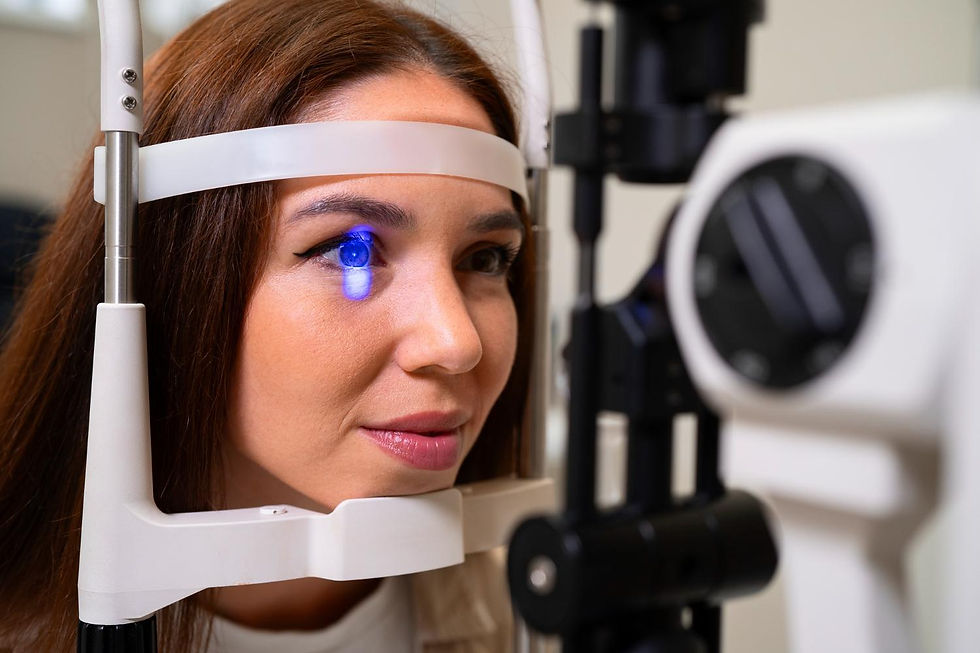
Diagnosis of eyelid disorders is linked to critical eyelid and eye surface observation. Physicians examine the symptoms, eyelid movements, and the functionality of glands in order to determine the issue.
Treatment Options
The therapy of eyelid diseases depends on the diagnosis. Commonly prescription medications, and in-office procedures like intense pulsed light therapy, microblepharoexfoliation, low level light therapy. Eyelid disease in-office procedures effectively correct the underlying cause of the disease. These methods reduce inflammation and speed up recovery in styes and other eyelid conditions.
More severe ones can be solved by surgery, which may be considered when the conservative treatments fail.
Long-Term Care and Prevention
Daily Eyelid Hygiene
(ALT TEXT: Eyelid-cleanig-with-eyelid-cleanser)
Cleaning eyelids may be considered one of the most useful preventive measures. Frequent cleaning can help eliminate debris and bacteria which result in inflammation.
Healthy Eyes Lifestyle Guide
Habits can be simple but make a great deal of difference:
Eyes should not be rubbed too frequently.
Take off makeup on the eyes before going to sleep.
Do not expose oneself to sunlight too long.
Have frequent eye check-ups
FAQs
What is the most frequently occurring eyelid disease?
Blepharitis is the eyelid disease that is the most frequent. It brings about the inflammation, erythema and crusting of the eyelash.
Do eyelid problems have an impact on the vision?
Yes, there are abnormalities such as large lumps that are capable of obstructing the eye hence vision.
How do I avoid infections on my eyelids?
The risk can be really lowered with proper hygiene, not rubbing the eyes, and removal of the makeup prior to sleep.
When should I see a doctor?
A doctor should be seen in case of persistent symptoms, deterioration of the condition or blurred vision.


